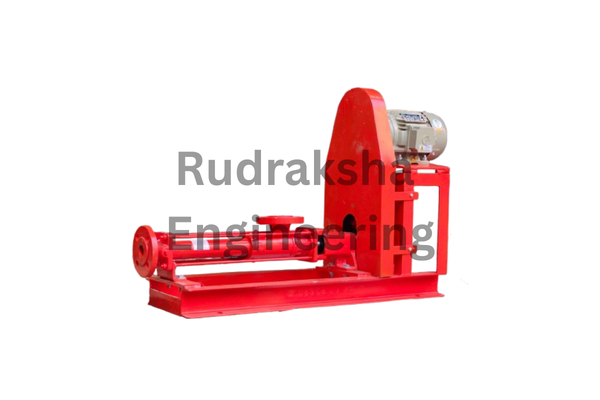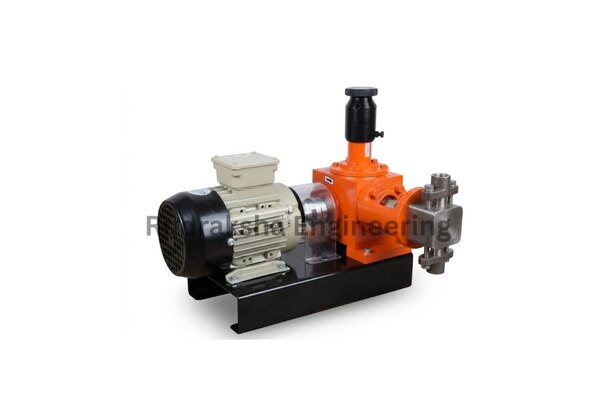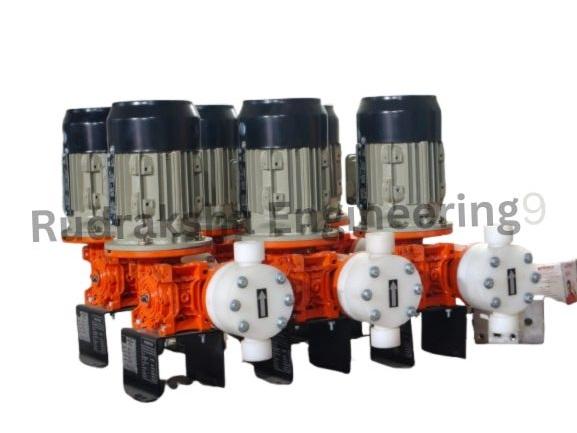
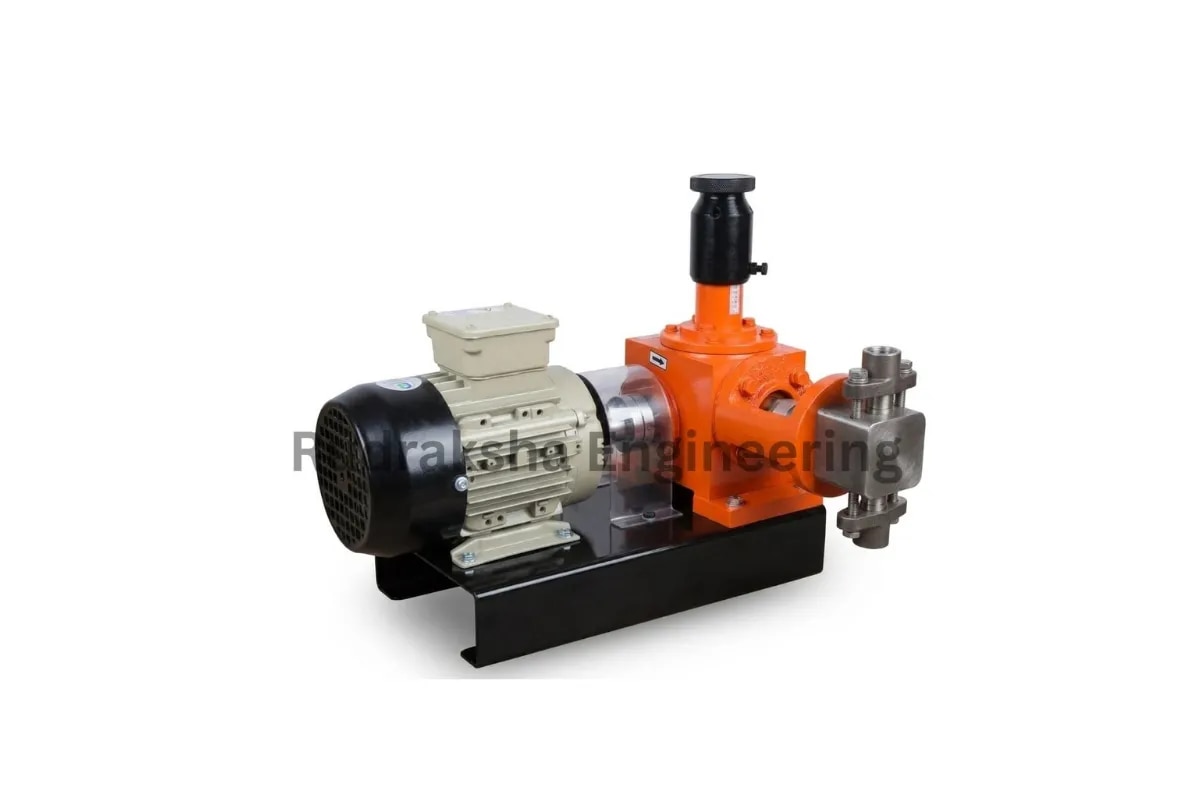
High/low -Pressure Dosing Pumps
Description
High-Pressure and Low-Pressure Dosing Pumps
High-pressure and low-pressure dosing pumps are types of chemical dosing pumps used to inject accurate and controlled quantities of liquid chemicals into a process system. These pumps are widely used in industries such as water treatment, chemical processing, pharmaceuticals, food production, and boiler systems. ⚙️💧
1️⃣ Low-Pressure Dosing Pumps
Low-pressure dosing pumps are designed to add chemicals into systems operating at relatively low pressure.
Typical Pressure Range
Up to approximately 5–10 bar (70–150 psi)
Common Applications
Water treatment plants
Swimming pool chemical dosing
Agricultural fertigation systems
Reverse osmosis (RO) plants for antiscalant dosing
Cooling tower chemical treatment
Key Features
Simple and compact design
Lower equipment cost 💰
Suitable for continuous dosing operations
Lower power consumption
Common Chemicals Used
Chlorine
Antiscalant chemicals
pH correction agents (acids or alkalis)
Nutrients and fertilizers
2️⃣ High-Pressure Dosing Pumps
High-pressure dosing pumps are used when chemicals must be injected into systems operating under high pressure conditions.
Typical Pressure Range
10 bar to over 100 bar (150–1500+ psi)
Common Applications
Oil and gas pipelines
High-pressure boiler systems
Chemical reactors
Desalination plants
Industrial processing lines
Key Features
Heavy-duty construction 🏭
Accurate dosing even at high pressures
Built with strong, corrosion-resistant materials such as stainless steel, PTFE, and Hastelloy
Higher power requirements
Common Chemicals Used
Corrosion inhibitors
Methanol for injection systems
Scale inhibitors
Catalysts