Thank you for writing to us. One of our executive will reach back to you through your submitted medium. In case there’s an urgency, feel free to connect over WhatsApp for faster response.
Prefer calling? Dial +919767982609 (International callers) or +919767982609 (Indian callers).
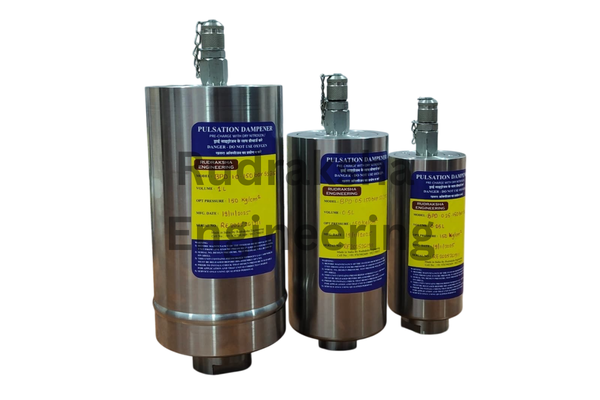
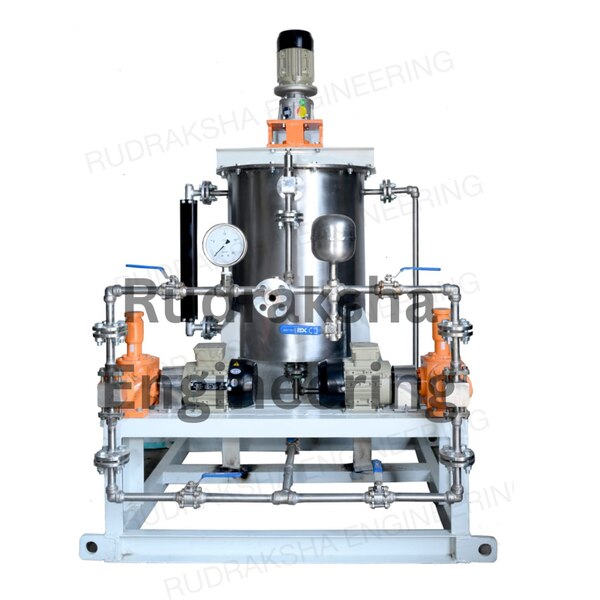
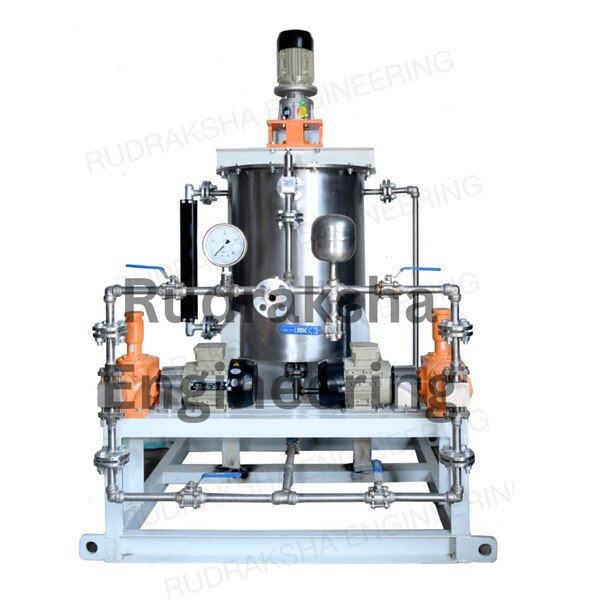
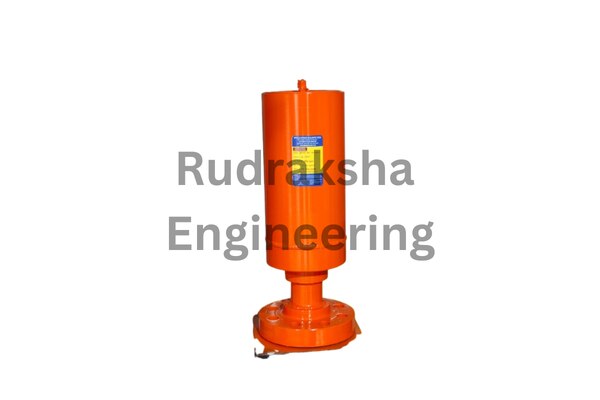
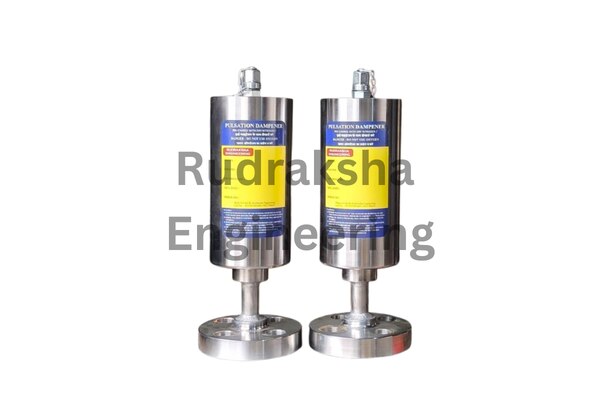
A Pulsation Dampener is a device used in pumping systems to reduce pressure fluctuations (pulsations) and provide smooth fluid flow. It is commonly installed with reciprocating pumps and dosing pumps to protect pipelines and instruments from pressure spikes.
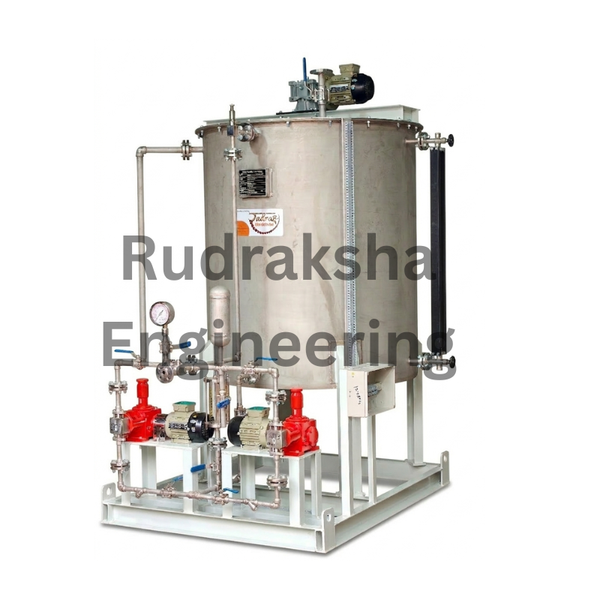
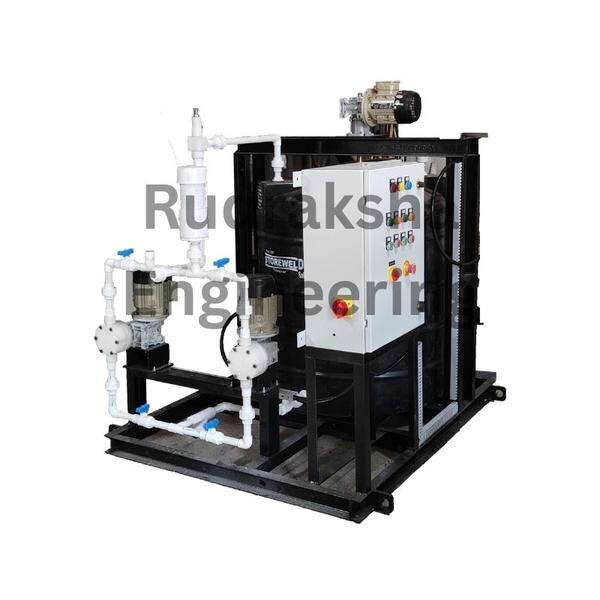
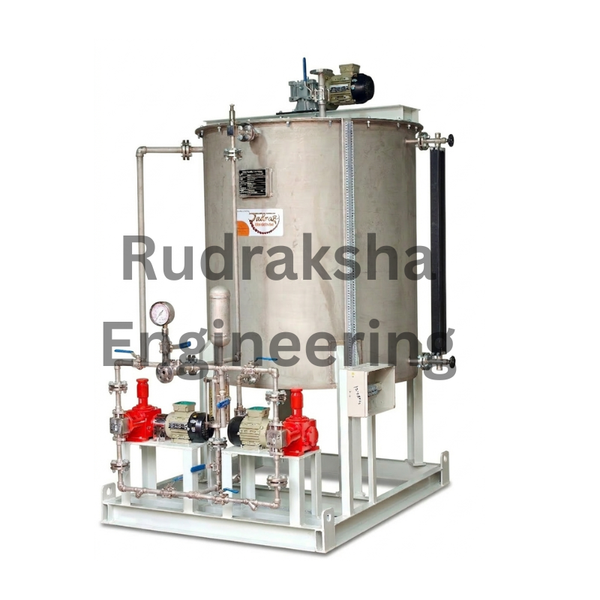
A Dosing System (also called a Chemical Dosing System) is an industrial setup used to accurately inject a controlled amount of chemical into a process, pipeline, or tank. It is widely used in industries like water treatment, chemical processing, pharmaceuticals, food processing, and power plants to ensure precise chemical addition.
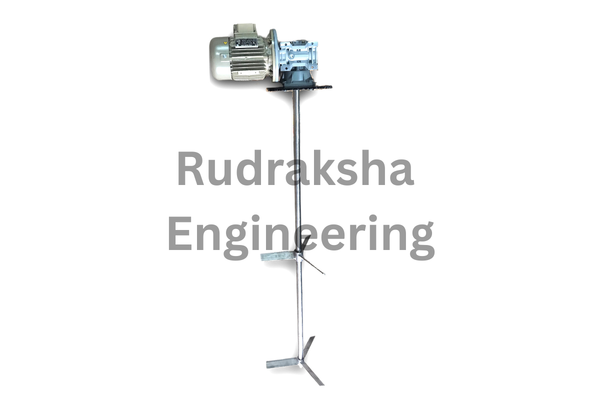
An Industrial Agitator is a mechanical device used to mix, stir, or blend liquids, solids, or gases inside a tank or vessel in industrial processes. It is widely used in industries such as chemical, pharmaceutical, food processing, wastewater treatment, and oil & gas to maintain uniform mixtures and improve process efficiency.
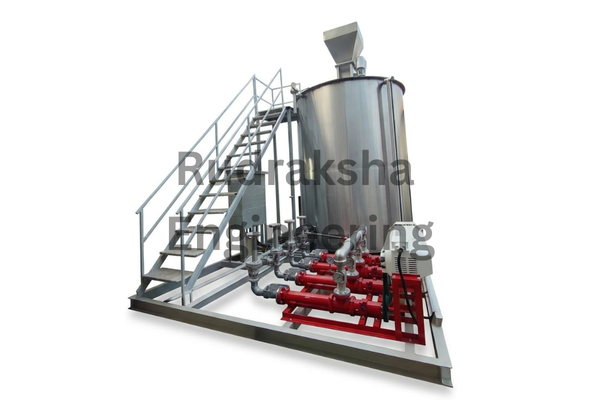
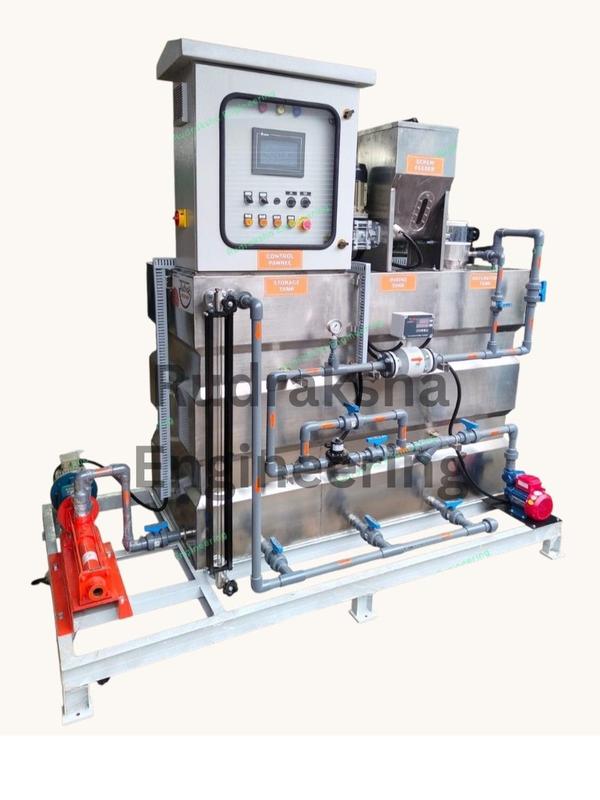
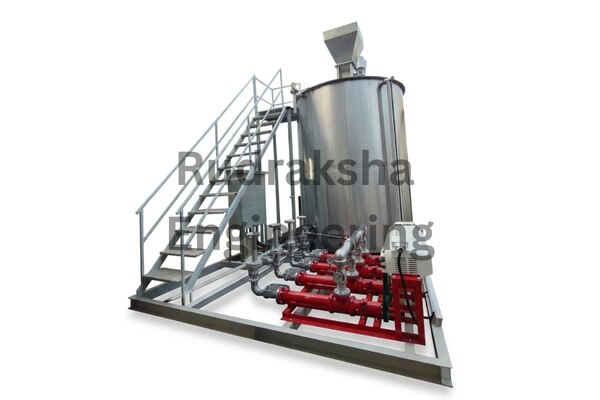
A Poly Dosing System (Polymer Dosing System) is an automated system used in water and wastewater treatment plants to prepare and dose polymer chemicals into the treatment process. Polymers act as flocculants or coagulant aids that help small suspended particles combine into larger flocs so they can settle or be filtered out easily.
An Auto Flocculant Dosing System is an automated setup used in water and wastewater treatment plants to dose flocculant chemicals in controlled amounts so that suspended particles clump together (flocculate) and can be easily removed by settling or filtration.
A Chlorine Dosing System is a type of chemical dosing system designed specifically to inject chlorine or chlorine-based solutions into water for disinfection and microbial control. These systems are widely used in water treatment plants, wastewater treatment, cooling towers, and swimming pools. ⚙️💧
🔎 What is a Chlorine Dosing System?
Chlorine is commonly used to kill bacteria, viruses, and other pathogens in water. A chlorine dosing system ensures precise and safe delivery of chlorine in liquid, gas, or tablet form.
The system maintains safe chlorine levels in the water while protecting equipment and operators.
⚙️ Main Components
Chlorine Storage Tank / Cylinder
Holds liquid chlorine (e.g., sodium hypochlorite) or gas
Materials: HDPE, FRP, stainless steel
Dosing Pump
Diaphragm dosing pump is most common
Provides accurate and adjustable flow
Can handle corrosive chlorine chemicals
Pulsation Dampener
Smoothens the pulsating flow from the pump
Calibration Pot / Flow Meter
Verifies the actual flow rate of chlorine
Injection Point / Quill / Injector
Injects chlorine safely into the water pipeline or tank
Valves & Piping
Includes isolation valves, check valves, and back-pressure valves
Materials compatible with chlorine (PVC, PP, PTFE, or SS)
Safety Equipment
Gas detectors, ventilation, PPE
Acid or neutralizer solution for spill control
🔄 How It Works
Chlorine is stored in a tank or cylinder.
The dosing pump draws chlorine and pushes it through piping.
The pulsation dampener ensures a steady flow.
Chlorine is injected into the water stream via a quill or injection nozzle.
Flow meters or calibration pots confirm the correct dosage.
✅ Result: Safe and precise chlorination of water.
A Low Pressure and High Pressure Dosing System is a classification of chemical dosing systems based on the operating pressure of the dosing pump and pipeline. These systems are widely used in water treatment, RO plants, industrial chemical processes, and boiler/cooling water treatment. ⚙️💧
🔎 What is a Low Pressure & High Pressure Dosing System?
Dosing systems inject chemicals into a process at controlled rates. The difference between low-pressure and high-pressure systems lies mainly in:
Pump type
Operating pressure
Piping and valve requirements
Applications
1️⃣ Low Pressure Dosing System
Characteristics
Operating Pressure: up to 5–10 bar (70–150 psi)
Flow Rate: Usually moderate
Pump Type: Diaphragm, peristaltic, or small plunger pumps
Pipe Material: PVC, PP, or HDPE
Applications
Water treatment plants – chlorine, acid/alkali dosing
RO plants – antiscalant injection
Cooling towers – biocides, corrosion inhibitors
Small chemical processes
Advantages
✔ Simple and cost-effective
✔ Easy to install and maintain
✔ Suitable for continuous dosing at low pressures
2️⃣ High Pressure Dosing System
Characteristics
Operating Pressure: 10–100+ bar (150–1500+ psi)
Flow Rate: Can be high or low depending on pump
Pump Type: High-pressure plunger/piston pumps, heavy-duty diaphragm pumps
Pipe Material: Stainless steel, PTFE-lined, or high-pressure-rated pipes
Applications
High-pressure RO plants – antiscalant injection
Industrial chemical reactors
Oil & gas pipelines – corrosion inhibitors, methanol injection
Boilers and high-pressure water treatment
An IoT-Based Dosing System is a smart chemical dosing solution that integrates traditional dosing equipment with Internet of Things (IoT) technology for remote monitoring, automation, and precise control. These systems are widely used in water treatment, RO plants, cooling towers, industrial processes, and chemical plants. 🌐⚙️💧
🔎 What is an IoT-Based Dosing System?
An IoT-based dosing system combines:
Dosing pumps, storage tanks, and valves
Sensors (flow, level, pressure, chemical concentration)
Connectivity modules (Wi-Fi, GSM, LoRa, or Ethernet)
Cloud-based monitoring and control software
The system allows operators to:
Monitor dosing remotely in real-time
Receive alerts for errors, low chemical levels, or leaks
Adjust dosing rates automatically based on sensor feedback
Collect historical data for process optimization
⚙️ Main Components
Chemical Storage Tank
Equipped with level sensors to monitor chemical volume
Dosing Pump
Diaphragm, peristaltic, or plunger pumps
Equipped with flow sensors to track actual dosing
Pulsation Dampener
Reduces flow fluctuations for consistent chemical injection
Flow / Pressure / Level Sensors
Measure dosing accuracy, tank levels, and system pressure
Control Unit / PLC / IoT Module
Receives sensor data
Controls pump operation
Connects to cloud or local network
Communication Interface
Wi-Fi, 4G/5G, Ethernet, or LoRaWAN for remote access
Cloud Software / Mobile App
Real-time monitoring
Remote control
Alerts and notifications
Historical data logging
An Additive Dosing System is a specialized type of chemical dosing system designed to inject precise amounts of additives into a process stream, tank, or pipeline. These additives are usually used to enhance performance, prevent scaling, inhibit corrosion, or improve product quality. ⚙️💧
🔎 What is an Additive Dosing System?
The system ensures that specific chemicals or additives are added accurately and consistently to a process. Unlike general chemical dosing, additive dosing often deals with small volumes of highly potent chemicals that require high-precision pumps and controlled flow.
It is widely used in water treatment, oil & gas, cooling systems, food processing, and industrial manufacturing.
⚙️ Main Components
Additive Storage Tank
Holds the additive solution
Materials: HDPE, PP, FRP, stainless steel
May include agitators to maintain uniform concentration
Dosing Pump
Types:
Diaphragm dosing pump – precise, high-pressure dosing
Peristaltic pump – handles corrosive or viscous additives
Plunger/piston pump – high-pressure industrial applications
Pulsation Dampener
Smooths pulsating flow from the pump
Types: bladder type, gas-filled, volumetric
Calibration Pot / Column
Verifies actual flow from the dosing pump
Piping & Valves
Includes injection valves, check valves, isolation valves
Materials compatible with additives
Flow Meter / Control System (optional)
Monitors dosing rate
Can be connected to PLC or SCADA for automated control
Mixing / Agitation (Optional)
Keeps additives well-dispersed in the tank
Can be top entry or bottom entry agitators
A Chemical Dosing System is a complete setup designed to accurately inject chemicals into a process stream or tank at a controlled rate. These systems are widely used in water treatment, RO plants, cooling towers, industrial processes, and chemical manufacturing. ⚙️💧
🔎 What is a Chemical Dosing System?
A chemical dosing system ensures that a precise amount of chemical is added to a process at the right time and concentration. It prevents overdosing or underdosing, which could damage equipment, reduce process efficiency, or compromise safety.
It typically consists of a pump, storage tank, piping, valves, and monitoring devices.
⚙️ Main Components of a Chemical Dosing System
Chemical Storage Tank
Stores the chemical to be dosed
Material: HDPE, PP, FRP, or stainless steel depending on chemical
Dosing Pump
Delivers chemical at controlled flow rate
Types:
Diaphragm Dosing Pump – for precise, high-pressure dosing
Peristaltic Pump – for corrosive or abrasive chemicals
Piston/Plunger Pump – for high-pressure, high-viscosity fluids
Pulsation Dampener
Smooths out the pulsating flow from the pump
Types: Bladder type, gas-filled, volumetric
Calibration Pot / Column
Measures actual pump output for calibration and verification
Piping & Valves
Connects storage tank, pump, and process line
Includes isolation valves, check valves, and injection valves
Flow Meter / Control System (Optional)
Monitors and controls the dosing rate
Can be integrated with SCADA or PLC systems
Mixing / Agitation (Optional)
Ensures uniform chemical concentration in the storage tank
Uses top entry or bottom entry agitators
🔄 How a Chemical Dosing System Works
Chemical is stored in the tank.
The dosing pump draws chemical from the tank.
The pump pushes chemical through piping, often via a pulsation dampener.
Chemical enters the process stream through an injection or metering point.
A flow meter or calibration pot may be used to verify actual dosing.
✅ Result: Accurate and consistent chemical addition.
📊 Common Applications
Water treatment – chlorine, acid/alkali, coagulants, antiscalants
RO plants – antiscalant injection, pH correction
Cooling towers / boilers – corrosion inhibitors, biocides
Chemical industry – precise addition of catalysts or reactants
Food & beverage – sanitizers and process additives
A Bladder Type Pulsation Dampener is a device used in chemical dosing systems and industrial pipelines to smooth out pressure fluctuations and stabilize flow from positive displacement pumps like diaphragm or plunger pumps. It is very common in water treatment, RO plants, chemical processing, and industrial applications. ⚙️💧
🔎 What is a Bladder Type Pulsation Dampener?
A bladder type dampener contains a flexible rubber or elastomer bladder inside a pressure vessel. The bladder separates the liquid from the gas, which acts as a cushion to absorb pressure spikes from pulsating pumps.
When the pump produces a high-pressure pulse, the liquid compresses the bladder.
The gas inside the bladder absorbs the energy, reducing vibration and shock.
During low-pressure periods, the bladder expands, pushing liquid back into the pipeline.
✅ Result: Smooth, nearly continuous flow, protecting the system and improving dosing accuracy.
⚙️ Main Components
Pressure Vessel / Body – Can be made of stainless steel, PP, UPVC, or PTFE
Flexible Bladder – Chemical-resistant elastomer
Gas Chamber – Pre-charged with nitrogen or air
Fluid Inlet/Outlet – Connects to pump or pipeline
Gas Charging Valve – Adjusts pre-charge pressure
Mounting Bracket – Optional, for secure installation
🔄 Working Principle
Pump delivers pulsating liquid flow.
Liquid enters the bladder dampener.
The bladder compresses, absorbing the pulse.
Gas expands to push fluid back during low-pressure cycle.
➡️ The result is a steady, vibration-free flow in the piping system.
A Gas-Filled Bladder Type Pulsation Dampener is a specialized device used with dosing pumps to smooth out pulsations in the flow and stabilize pressure, ensuring accurate and safe chemical injection. It is widely used in water treatment, RO plants, chemical processing, and industrial piping systems. ⚙️💧
🔎 What is a Gas-Filled Bladder Type Pulsation Dampener?
This type of pulsation dampener contains a flexible bladder inside a pressure vessel, which is pre-charged with gas (usually nitrogen).
The bladder separates the liquid from the gas.
When the pump produces a pressure spike, the liquid compresses the bladder slightly, absorbing the energy.
When the pressure drops, the gas pushes the liquid back into the pipeline, smoothing the flow.
⚙️ Main Components
Pressure vessel – Made of stainless steel, PVC, PP, or other materials
Bladder – Flexible, chemical-resistant rubber or elastomer
Gas chamber – Pre-charged with nitrogen or air
Fluid inlet/outlet connections – To connect to dosing pump or pipeline
Gas charging valve – For adjusting gas pressure
Mounting bracket – Optional, for secure installation
🔄 Working Principle
The dosing pump sends pulsating flow into the pipeline.
The liquid enters the bladder dampener.
The bladder compresses, absorbing pressure peaks.
During low-pressure periods, the gas expands, pushing the liquid back.
➡️ Result: Smooth, continuous flow with reduced pulsation.