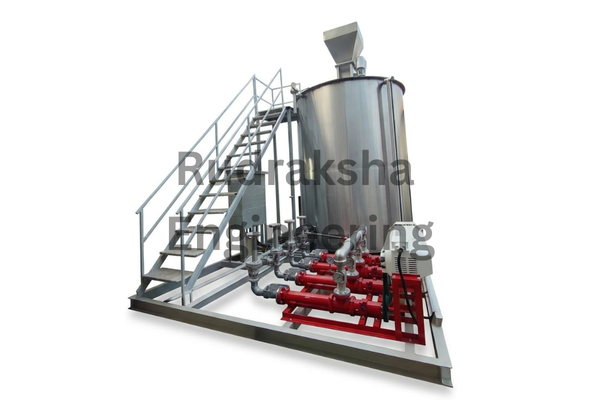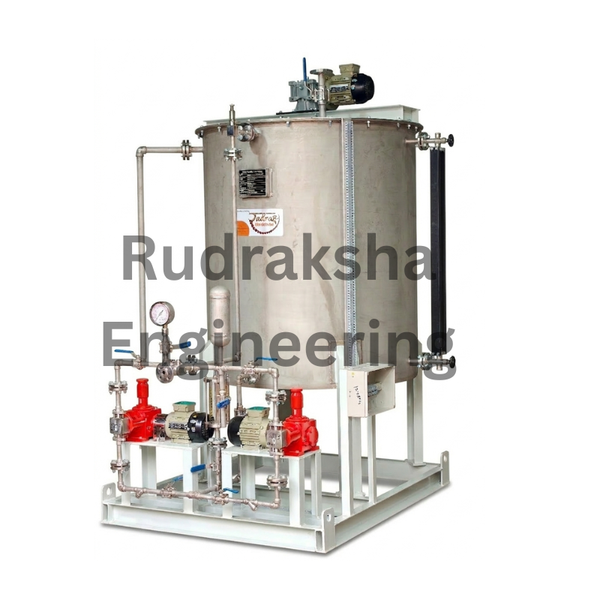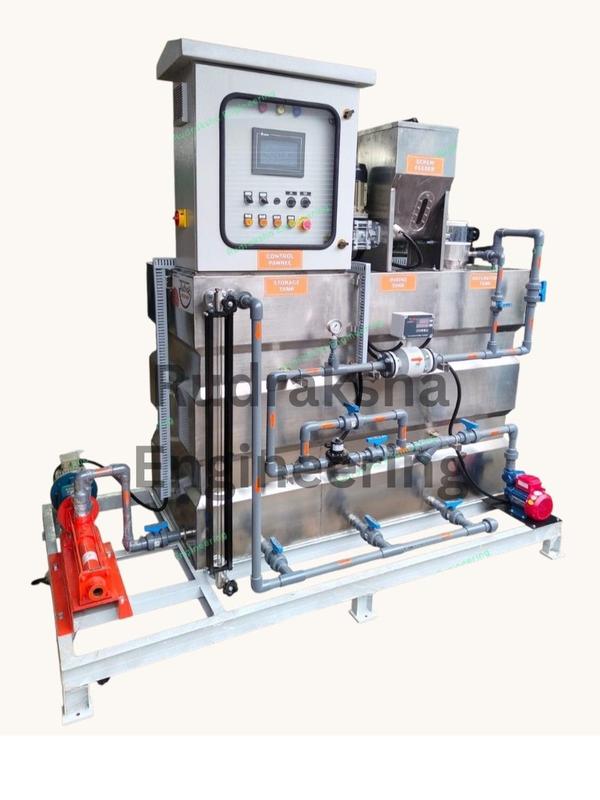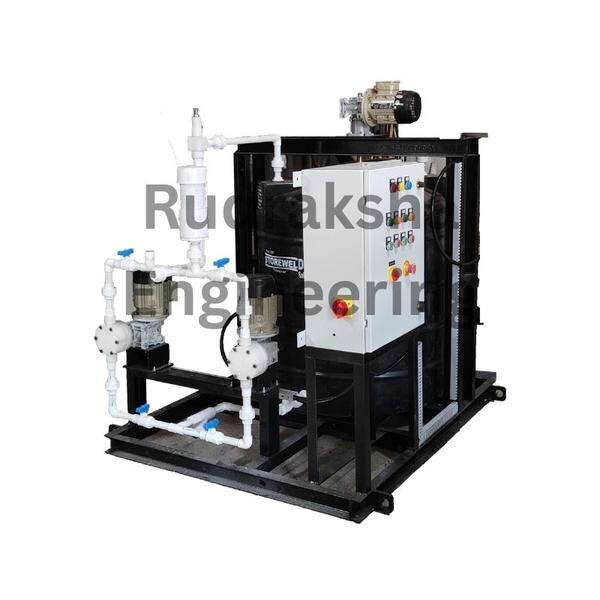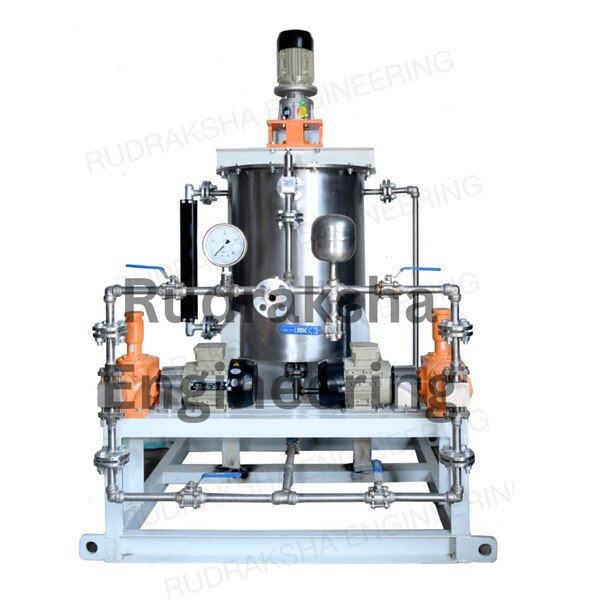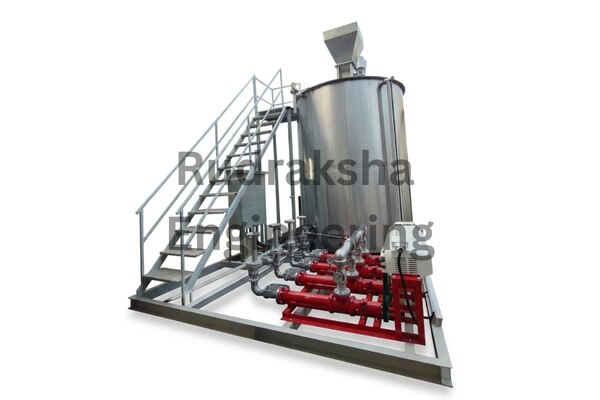
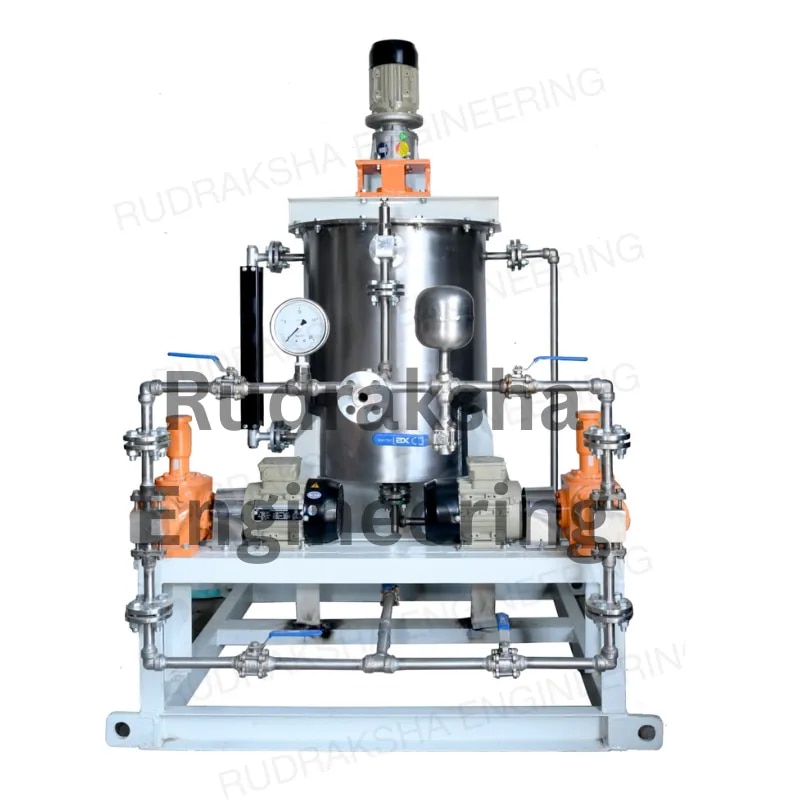
Low Pressure & High Pressure Dosing System
Description
A Low Pressure and High Pressure Dosing System is a classification of chemical dosing systems based on the operating pressure of the dosing pump and pipeline. These systems are widely used in water treatment, RO plants, industrial chemical processes, and boiler/cooling water treatment. ⚙️💧
🔎 What is a Low Pressure & High Pressure Dosing System?
Dosing systems inject chemicals into a process at controlled rates. The difference between low-pressure and high-pressure systems lies mainly in:
Pump type
Operating pressure
Piping and valve requirements
Applications
1️⃣ Low Pressure Dosing System
Characteristics
Operating Pressure: up to 5–10 bar (70–150 psi)
Flow Rate: Usually moderate
Pump Type: Diaphragm, peristaltic, or small plunger pumps
Pipe Material: PVC, PP, or HDPE
Applications
Water treatment plants – chlorine, acid/alkali dosing
RO plants – antiscalant injection
Cooling towers – biocides, corrosion inhibitors
Small chemical processes
Advantages
✔ Simple and cost-effective
✔ Easy to install and maintain
✔ Suitable for continuous dosing at low pressures
2️⃣ High Pressure Dosing System
Characteristics
Operating Pressure: 10–100+ bar (150–1500+ psi)
Flow Rate: Can be high or low depending on pump
Pump Type: High-pressure plunger/piston pumps, heavy-duty diaphragm pumps
Pipe Material: Stainless steel, PTFE-lined, or high-pressure-rated pipes
Applications
High-pressure RO plants – antiscalant injection
Industrial chemical reactors
Oil & gas pipelines – corrosion inhibitors, methanol injection
Boilers and high-pressure water treatment