
Low Pressure High Pressure Dosing Sytem Products
Subcategory Tags
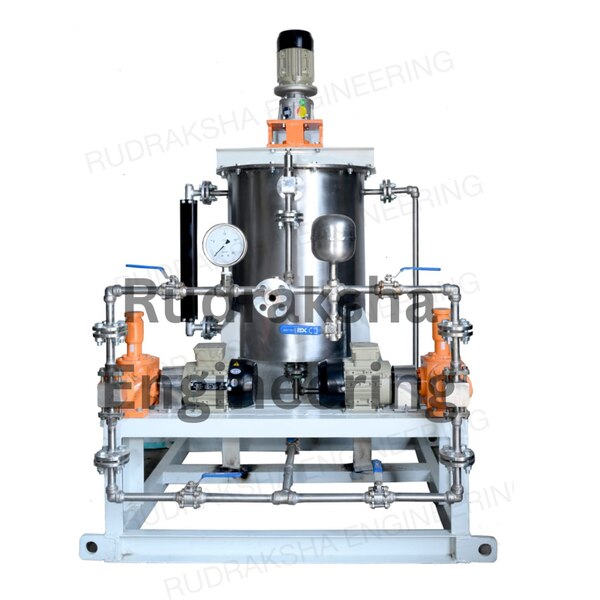
LOW PRESSURE & HIGH PRESSURE DOSING SYTEM.High/low -Pressure Dosing PumpsAdditive Dosing SystemAgitatorAuto Flocculant Dosing SystemBladder Type Pulsation DampenerCalibration PotsCapacitive Screw PumpChemicals Dosing SystemChlorine Dosing SystemDampenerDosing PumpDosing SystemDouble Bearing Bracket AgitatorFlocculatorsGas Filled Bladder Type Pulsation DampenerGlass / Transparent Calibration PotsHigh Pressure Bladder Type Pulsation DampenerHigh-Speed AgitatorIOT BASED DOSING SYSTEMIndustrial AgitatorIndustrial Dosing SystemMechanical Diaphragm PumpPP/UPVC/PTFE Pulsation DampenerPlunger Dosing PumpPoly Dosing SystemPulsation DampenerSS Bladder Type Pulsation DampenerStainless Steel Calibration PotsStandard Calibration PotsTop Entry AgitatorsVolumetric Pulsation Dampenerchemical Agitator
Contact Us
- Phone Number
- Email Address
- Opens Tomorrow at 09:00 AMSun–Fri: 09:00 AM – 07:00 PM
Sat: Closed - Other Website
Live Chat
Connect over WhatsApp to resolve your queries realtime.