Thank you for writing to us. One of our executive will reach back to you through your submitted medium. In case there’s an urgency, feel free to connect over WhatsApp for faster response.
Prefer calling? Dial +919767982609 (International callers) or +919767982609 (Indian callers).
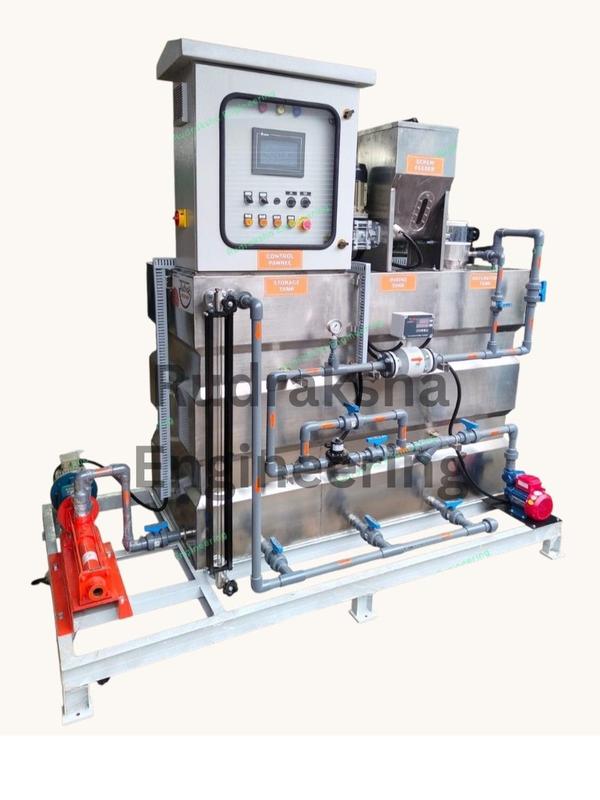
A Poly Dosing System (Polymer Dosing System) is an automated system used in water and wastewater treatment plants to prepare and dose polymer chemicals into the treatment process. Polymers act as flocculants or coagulant aids that help small suspended particles combine into larger flocs so they can settle or be filtered out easily.
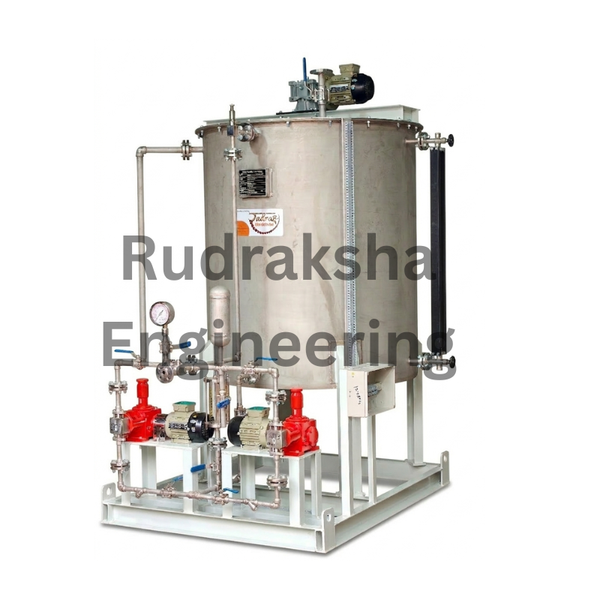
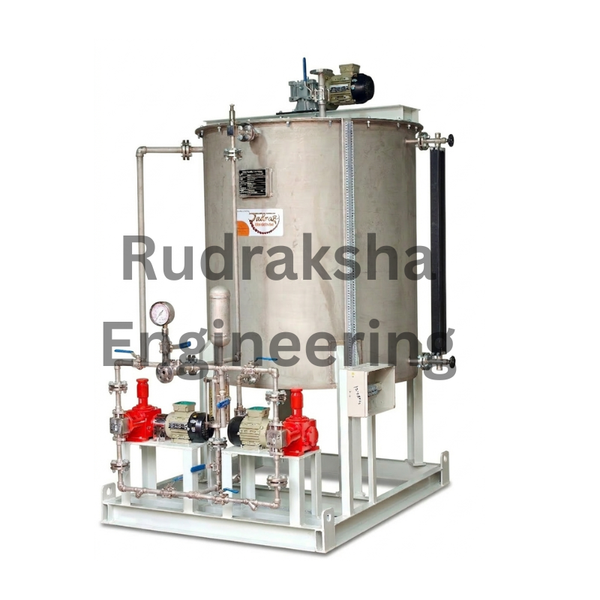
A Chemical Dosing System is a complete setup designed to accurately inject chemicals into a process stream or tank at a controlled rate. These systems are widely used in water treatment, RO plants, cooling towers, industrial processes, and chemical manufacturing. ⚙️💧
🔎 What is a Chemical Dosing System?
A chemical dosing system ensures that a precise amount of chemical is added to a process at the right time and concentration. It prevents overdosing or underdosing, which could damage equipment, reduce process efficiency, or compromise safety.
It typically consists of a pump, storage tank, piping, valves, and monitoring devices.
⚙️ Main Components of a Chemical Dosing System
Chemical Storage Tank
Stores the chemical to be dosed
Material: HDPE, PP, FRP, or stainless steel depending on chemical
Dosing Pump
Delivers chemical at controlled flow rate
Types:
Diaphragm Dosing Pump – for precise, high-pressure dosing
Peristaltic Pump – for corrosive or abrasive chemicals
Piston/Plunger Pump – for high-pressure, high-viscosity fluids
Pulsation Dampener
Smooths out the pulsating flow from the pump
Types: Bladder type, gas-filled, volumetric
Calibration Pot / Column
Measures actual pump output for calibration and verification
Piping & Valves
Connects storage tank, pump, and process line
Includes isolation valves, check valves, and injection valves
Flow Meter / Control System (Optional)
Monitors and controls the dosing rate
Can be integrated with SCADA or PLC systems
Mixing / Agitation (Optional)
Ensures uniform chemical concentration in the storage tank
Uses top entry or bottom entry agitators
🔄 How a Chemical Dosing System Works
Chemical is stored in the tank.
The dosing pump draws chemical from the tank.
The pump pushes chemical through piping, often via a pulsation dampener.
Chemical enters the process stream through an injection or metering point.
A flow meter or calibration pot may be used to verify actual dosing.
✅ Result: Accurate and consistent chemical addition.
📊 Common Applications
Water treatment – chlorine, acid/alkali, coagulants, antiscalants
RO plants – antiscalant injection, pH correction
Cooling towers / boilers – corrosion inhibitors, biocides
Chemical industry – precise addition of catalysts or reactants
Food & beverage – sanitizers and process additives
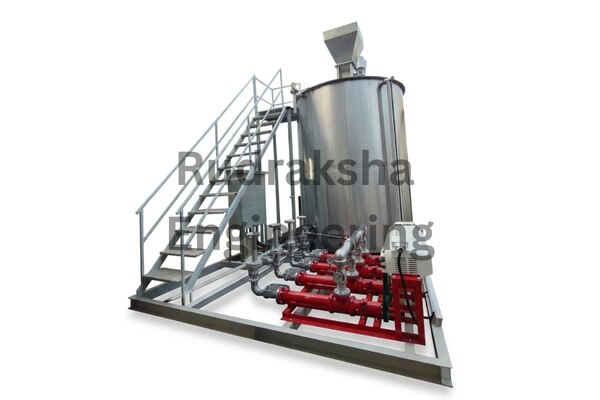
An Additive Dosing System is a specialized type of chemical dosing system designed to inject precise amounts of additives into a process stream, tank, or pipeline. These additives are usually used to enhance performance, prevent scaling, inhibit corrosion, or improve product quality. ⚙️💧
🔎 What is an Additive Dosing System?
The system ensures that specific chemicals or additives are added accurately and consistently to a process. Unlike general chemical dosing, additive dosing often deals with small volumes of highly potent chemicals that require high-precision pumps and controlled flow.
It is widely used in water treatment, oil & gas, cooling systems, food processing, and industrial manufacturing.
⚙️ Main Components
Additive Storage Tank
Holds the additive solution
Materials: HDPE, PP, FRP, stainless steel
May include agitators to maintain uniform concentration
Dosing Pump
Types:
Diaphragm dosing pump – precise, high-pressure dosing
Peristaltic pump – handles corrosive or viscous additives
Plunger/piston pump – high-pressure industrial applications
Pulsation Dampener
Smooths pulsating flow from the pump
Types: bladder type, gas-filled, volumetric
Calibration Pot / Column
Verifies actual flow from the dosing pump
Piping & Valves
Includes injection valves, check valves, isolation valves
Materials compatible with additives
Flow Meter / Control System (optional)
Monitors dosing rate
Can be connected to PLC or SCADA for automated control
Mixing / Agitation (Optional)
Keeps additives well-dispersed in the tank
Can be top entry or bottom entry agitators
An Auto Flocculant Dosing System is an automated setup used in water and wastewater treatment plants to dose flocculant chemicals in controlled amounts so that suspended particles clump together (flocculate) and can be easily removed by settling or filtration.