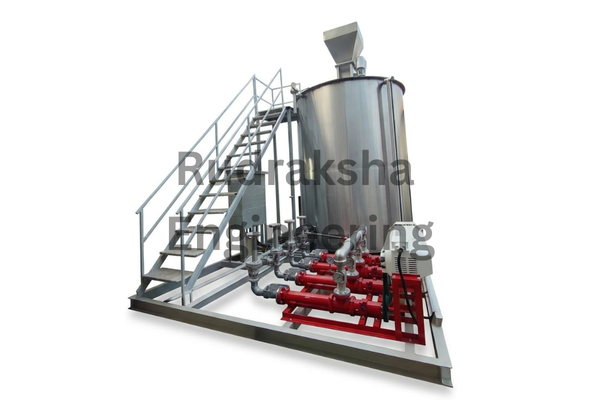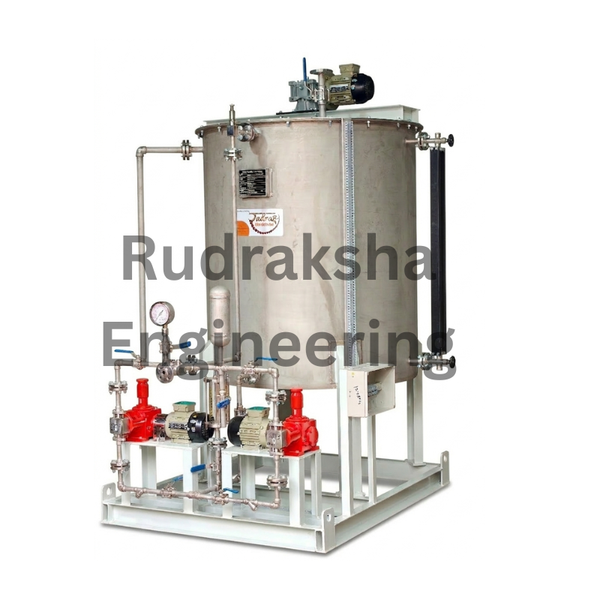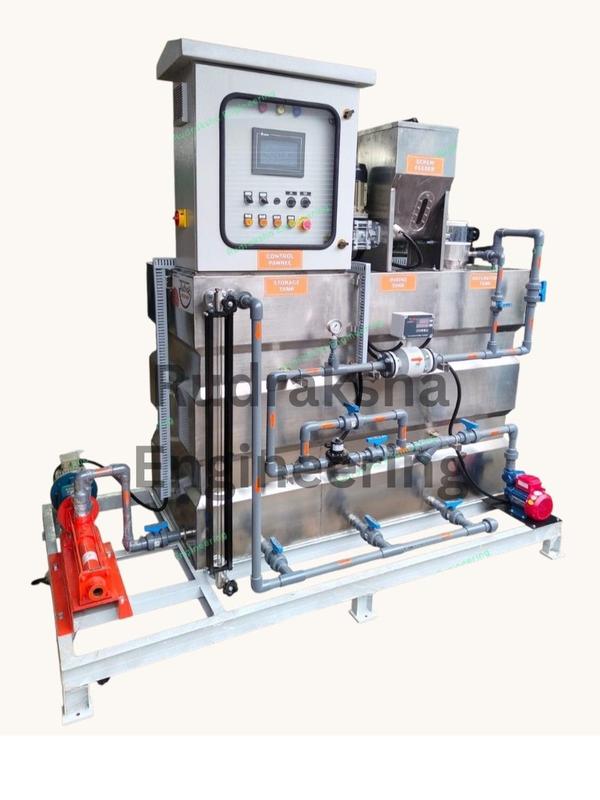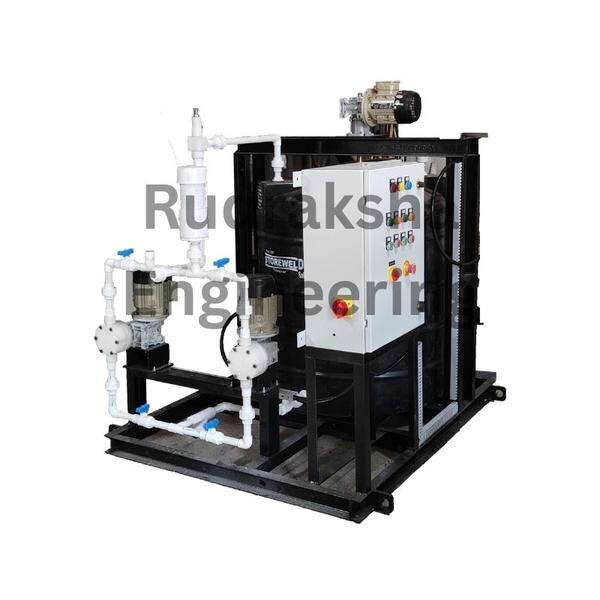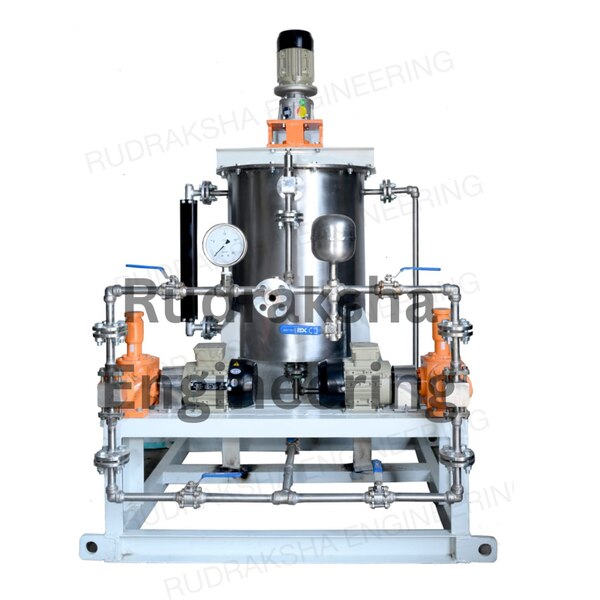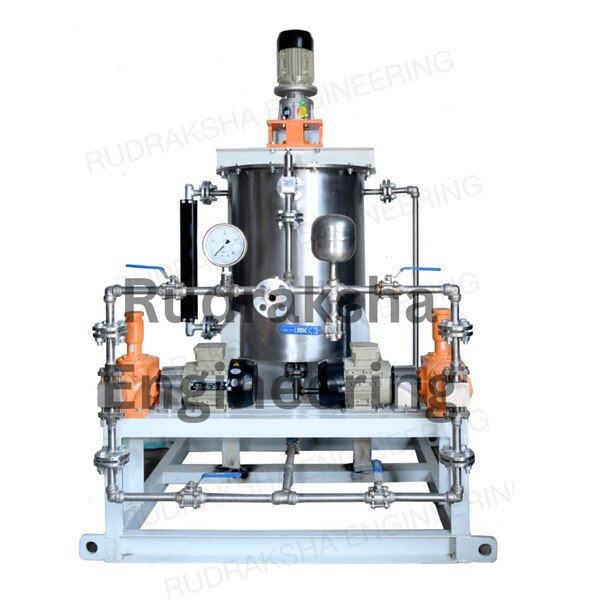
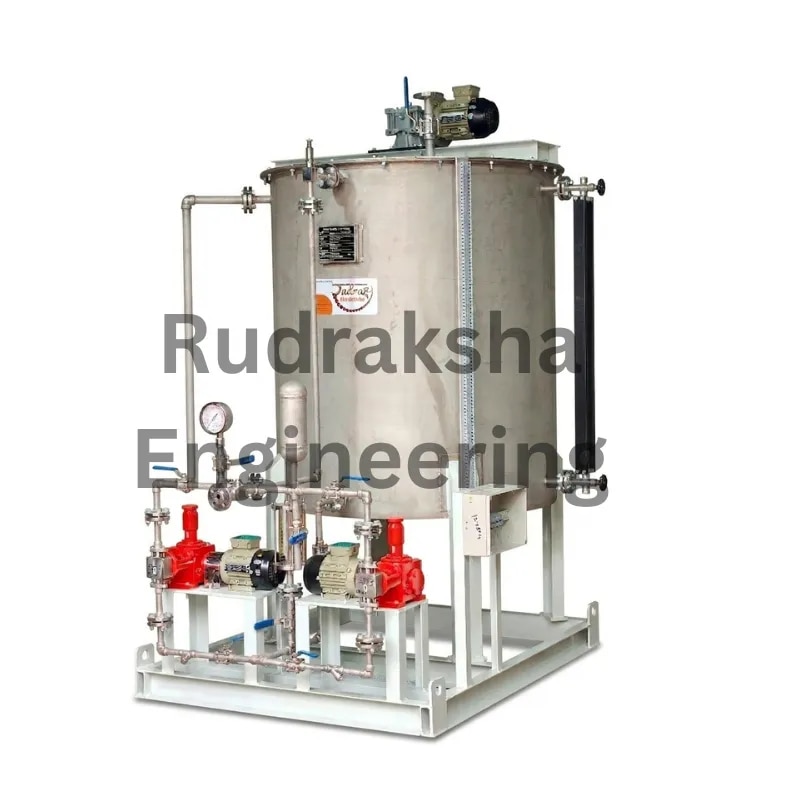
Chemicals Dosing System
Description
A Chemical Dosing System is a complete setup designed to accurately inject chemicals into a process stream or tank at a controlled rate. These systems are widely used in water treatment, RO plants, cooling towers, industrial processes, and chemical manufacturing. ⚙️💧
🔎 What is a Chemical Dosing System?
A chemical dosing system ensures that a precise amount of chemical is added to a process at the right time and concentration. It prevents overdosing or underdosing, which could damage equipment, reduce process efficiency, or compromise safety.
It typically consists of a pump, storage tank, piping, valves, and monitoring devices.
⚙️ Main Components of a Chemical Dosing System
Chemical Storage Tank
Stores the chemical to be dosed
Material: HDPE, PP, FRP, or stainless steel depending on chemical
Dosing Pump
Delivers chemical at controlled flow rate
Types:
Diaphragm Dosing Pump – for precise, high-pressure dosing
Peristaltic Pump – for corrosive or abrasive chemicals
Piston/Plunger Pump – for high-pressure, high-viscosity fluids
Pulsation Dampener
Smooths out the pulsating flow from the pump
Types: Bladder type, gas-filled, volumetric
Calibration Pot / Column
Measures actual pump output for calibration and verification
Piping & Valves
Connects storage tank, pump, and process line
Includes isolation valves, check valves, and injection valves
Flow Meter / Control System (Optional)
Monitors and controls the dosing rate
Can be integrated with SCADA or PLC systems
Mixing / Agitation (Optional)
Ensures uniform chemical concentration in the storage tank
Uses top entry or bottom entry agitators
🔄 How a Chemical Dosing System Works
Chemical is stored in the tank.
The dosing pump draws chemical from the tank.
The pump pushes chemical through piping, often via a pulsation dampener.
Chemical enters the process stream through an injection or metering point.
A flow meter or calibration pot may be used to verify actual dosing.
✅ Result: Accurate and consistent chemical addition.
📊 Common Applications
Water treatment – chlorine, acid/alkali, coagulants, antiscalants
RO plants – antiscalant injection, pH correction
Cooling towers / boilers – corrosion inhibitors, biocides
Chemical industry – precise addition of catalysts or reactants
Food & beverage – sanitizers and process additives