Standard Calibration Pots
Description
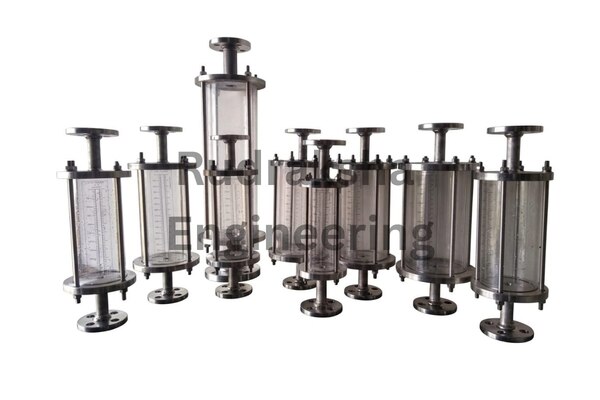
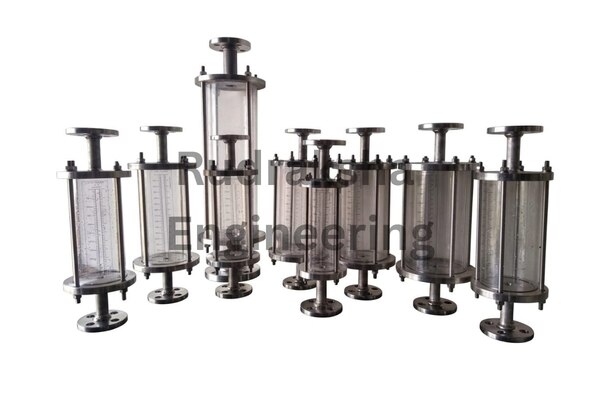
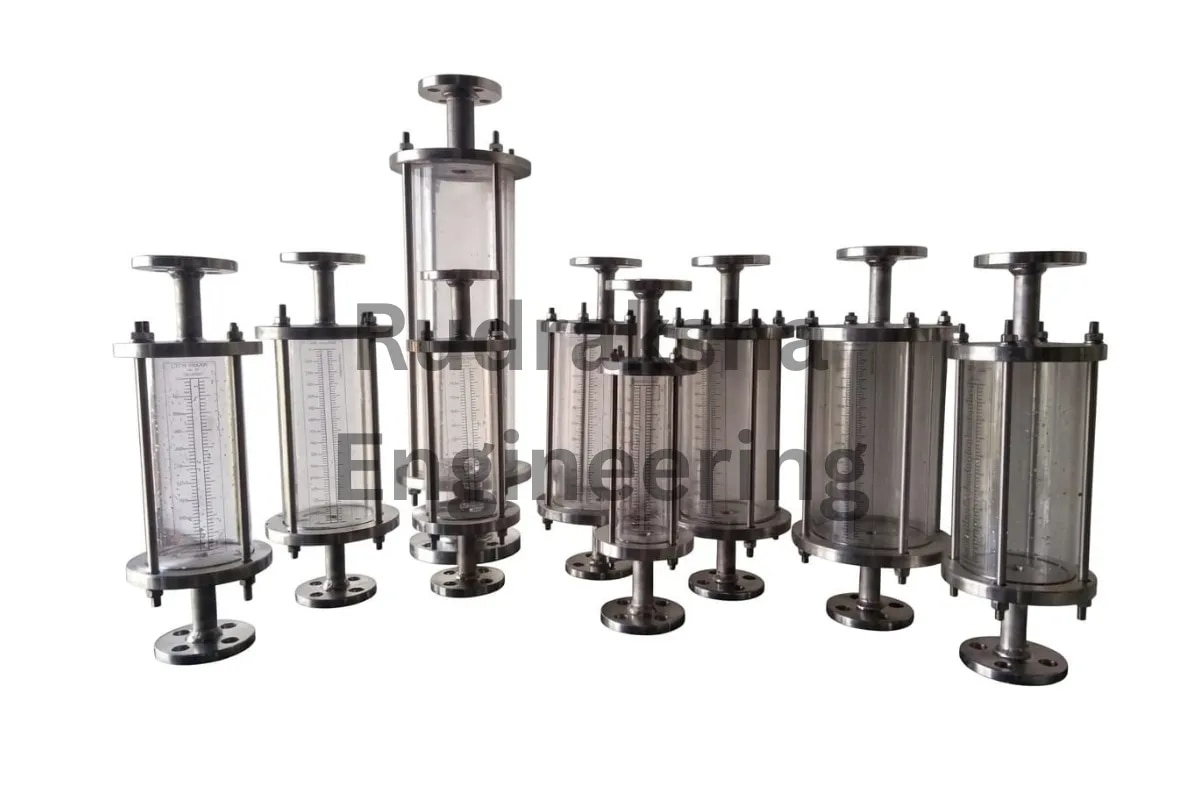
Standard Calibration Pots are graduated measuring vessels used to calibrate chemical dosing pumps by determining the exact volume of liquid drawn by the pump over a specific period. They are commonly used in water treatment systems, RO plants, chemical dosing units, boilers, and cooling towers. 💧⚙️
🔎 What is a Standard Calibration Pot?
A standard calibration pot (also known as a calibration column) is installed on the suction line of a dosing pump. It allows operators to visually check and measure the actual flow rate of the pump by observing the change in liquid level inside the column. This helps ensure that the chemical dosing rate remains accurate and properly controlled.
🧱 Materials Used
Standard calibration pots are typically manufactured from:
Borosilicate glass – Offers excellent chemical resistance and clear visibility
Acrylic / Polycarbonate – Lightweight and resistant to impact
Stainless steel with sight glass – Used in high-pressure or heavy industrial applications
⚙️ Main Components
A typical calibration pot includes:
Transparent measuring column
Graduated scale (in ml or liters)
Inlet connection
Outlet connection
Isolation valves
Vent valve
Drain valve
Mounting bracket or support frame
🔄 Working Principle
Fill the calibration pot with the chemical solution.
Close the valve connecting the main storage tank.
Open the valve between the calibration pot and the dosing pump.
Start the dosing pump.
Observe and measure the drop in liquid level over a set period of time.